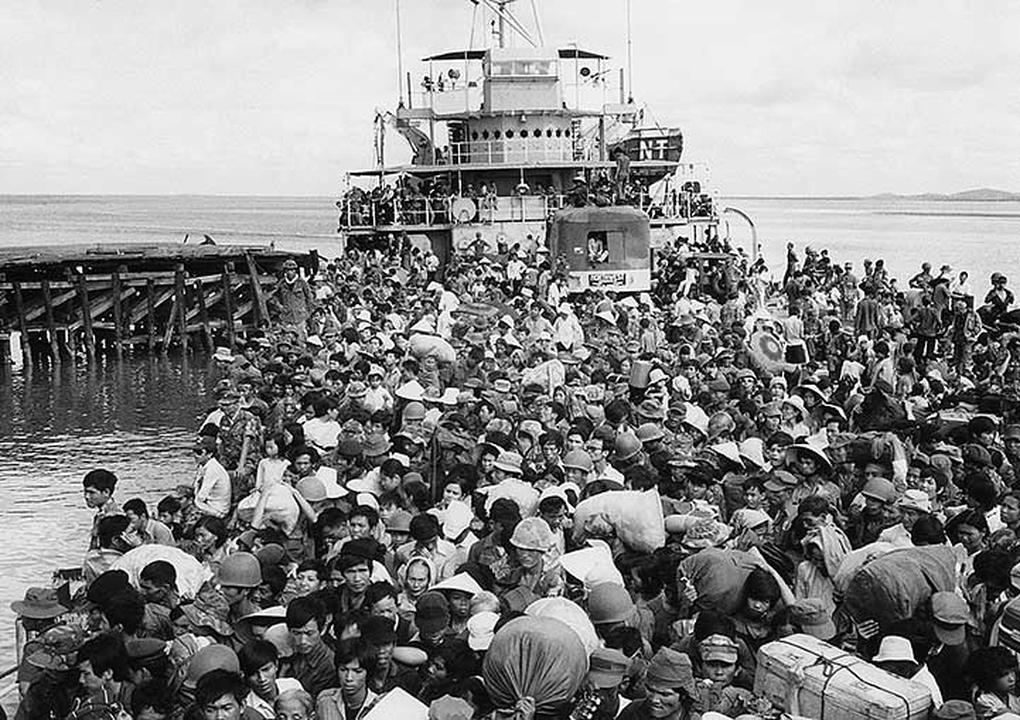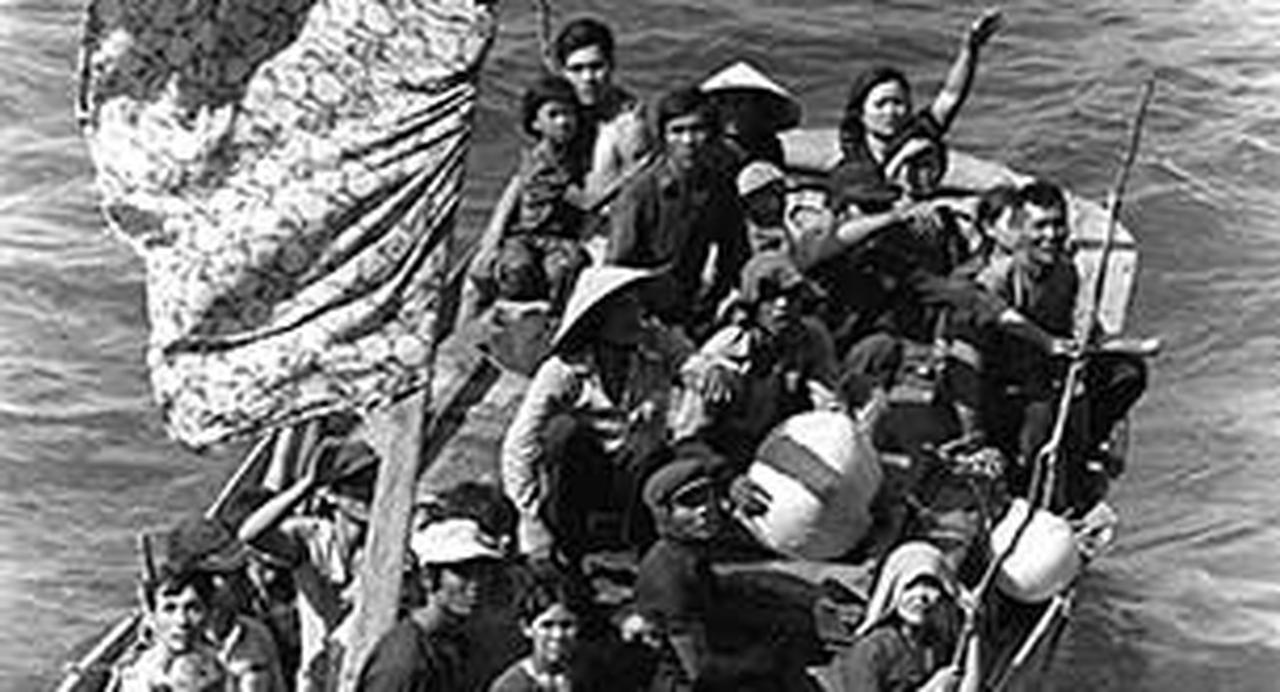
After the communist victory in 1975 the North simply imposed its rule on the South, demonstrating Hanoi’s lack of interest in sharing power with or consulting the masses. This was perhaps not surprising given that the North’s communist leaders had traditionally been elitists who believed in top-down control and state capitalism of the Stalinist mode.
What may have raised some eyebrows in the South, however, was that Hanoi’s leaders were just as unwilling to consult with their long-time communist-dominated allies in South Vietnam, the National Liberation Front (NLF or Viet Cong), as they were with the general population. Regular North Vietnamese Army (NVA) troops took Saigon in 1975 without the assistance of the NLF, which had been decimated during the Tet Offensive of 1968. Having seized the final victory by itself, Hanoi’s rulers felt under no obligation to make any concessions to their erstwhile allies.
Feeling it had carte blanche to do as it wished, the Hanoi leadership implemented austere communist economic policies and meted out punishments to those people it regarded as being unpatriotic or a potential threat. Many southerners were punished, with those who had worked for the US military machine in some capacity being the first to fall victim to the new rulers.
In total one million people were sent to re-education camps after 1975. For most of those punished, their stays were limited to three days of lectures and sessions, but approximately 200,000 people were detained for several years and an estimated 40,000 were held for up to 12 years.Life in the camps was hard, with many people going hungry and some dying due to illness or committing suicide. Some authors claim the new regime did not carry out widespread executions, but others, such as Mark Atwood Lawrence, claim tens of thousands were put to death.Hanoi also pursued a policy of relocating people to New Economic Zones (NEZ), partly to boost food production but also to marginalise and punish ‘troublesome’ people and to create populated buffer zones against the potential enemy of Cambodia. Religious minorities, ethnic-Chinese and the unemployed were among those selected for relocation to NEZs. The sentences to be served by inmates in NEZs were not always made clear, as was illustrated by an anecdote told by one former inmate.
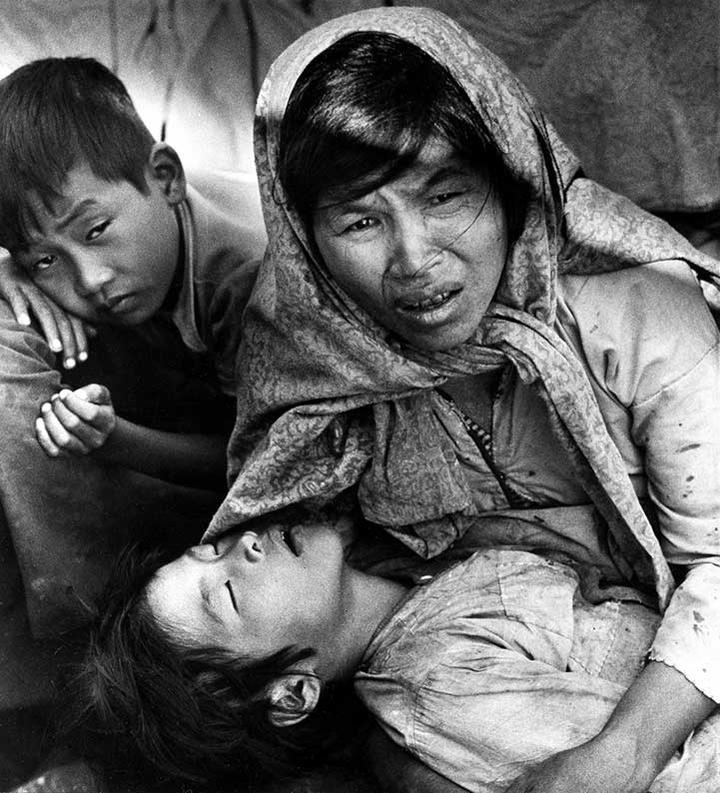
“Once, I asked a cadre when I might be released. He answered: ‘When you are well re-educated in your thoughts, you will be released.’ So I asked: ‘How do I know when I’m well educated?’ He said: ‘That’s easy. When you are released, then you will know that you have been well educated.’” (former NEZ inmate in: Robinson, 1998: 29)Notwithstanding the punishments, there were various other sources of suffering for Vietnamese people in this period, especially in the South. In 1976 the communists devalued the currency of South Vietnam, wiping out its citizens’ savings. The misery was exacerbated when first China and then Russia cut their aid, including supplies of rice, triggering a rice crisis.
This was made worse when Hanoi, partly motivated by the crisis and partly by ideology, seized control of the rice trade in the Mekong Delta and collectivized farming. Industry and private property were also taken over by the authorities as Hanoi implemented its harsh brand of Communism. These moves had a disproportionately negative impact on Saigon’s ethnic Chinese community as it had dominated business operations in the South, including the rice trade.
Meanwhile, the economy as a whole was in a dire state. State capitalism was not working and people were going hungry. It would not be accurate, however, to attribute all the blame for the poor performance of Vietnam’s economy after the US war to the communist government. The war itself had caused tremendous damage to the country’s infrastructure and farmland, hampering attempts at recovery.
To make matters worse, the US, humiliated by its defeat and already refusing to deliver on its promise of paying reparations, caused more suffering by leading a global drive to isolate their stubborn former enemy. It imposed sanctions more severe even than those imposed on Cuba and persuaded the World Bank to fall in line with US policy by withholding help from the war-torn country. As a result, all humanitarian aid was stopped or blocked.
Margaret Thatcher, the Prime Minister of Britain, deemed fit to further punish the communist victors by persuading the EU to stop shipments of milk to Vietnamese children. In addition, Vietnam was spending far more money than it could afford on its occupation of Cambodia.