Vietnam struggles to mount effective resistance to French until WW2
By the time the Second World War broke out France had governed the whole of Vietnam for nearly 60 years, having gradually extended its rule from just the southern region in the 1860s to the whole country by 1883. For administrative purposes the French had divided the country into the three regions of Tonkin (North Vietnam), Annam (Central Vietnam) and Cochin China (South Vietnam), areas which, together with Laos and Cambodia, made up the colony of Indo China.
French rule had had a strongly negative impact on Vietnam, bringing greater impoverishment and exploitation to its peasants while also undermining the confidence of many of the country’s intellectuals, teachers and imperial bureaucrats in their own culture.
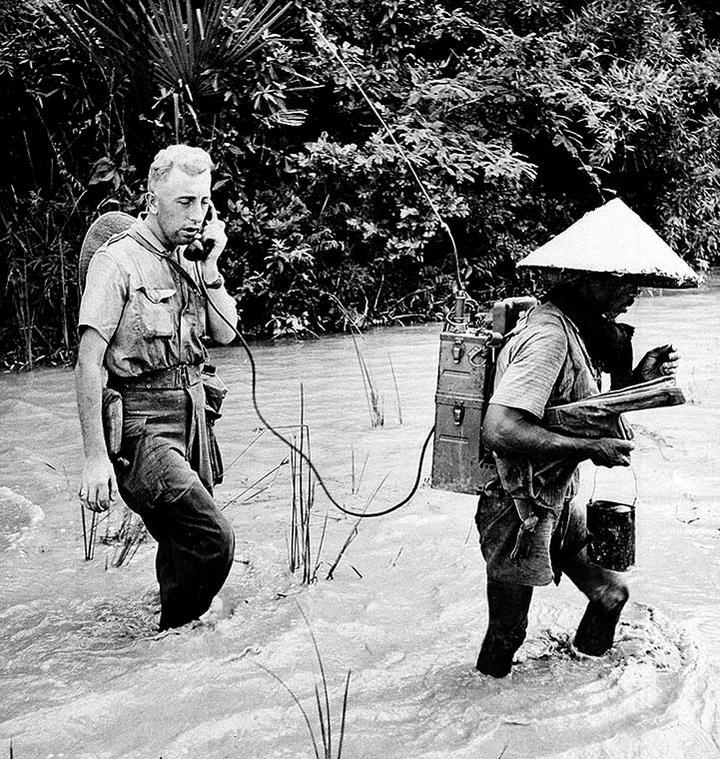
Vietnamese landlords, on the other hand, were given increased power and wealth under the French, thereby ensuring that many from this class would be loyal to the colonial rulers. During the entire period of French rule, the Vietnameselaunched repeated uprisings against their colonial overlords, but never managed to overcome the might of the French military.
In the early 20th century Phan Boi Chau and Phan Chu Chinh emerged as capable nationalist leaders, but neither of them managed to extend their appeal beyond middle class urbanites, the social strata from which they themselves both hailed.
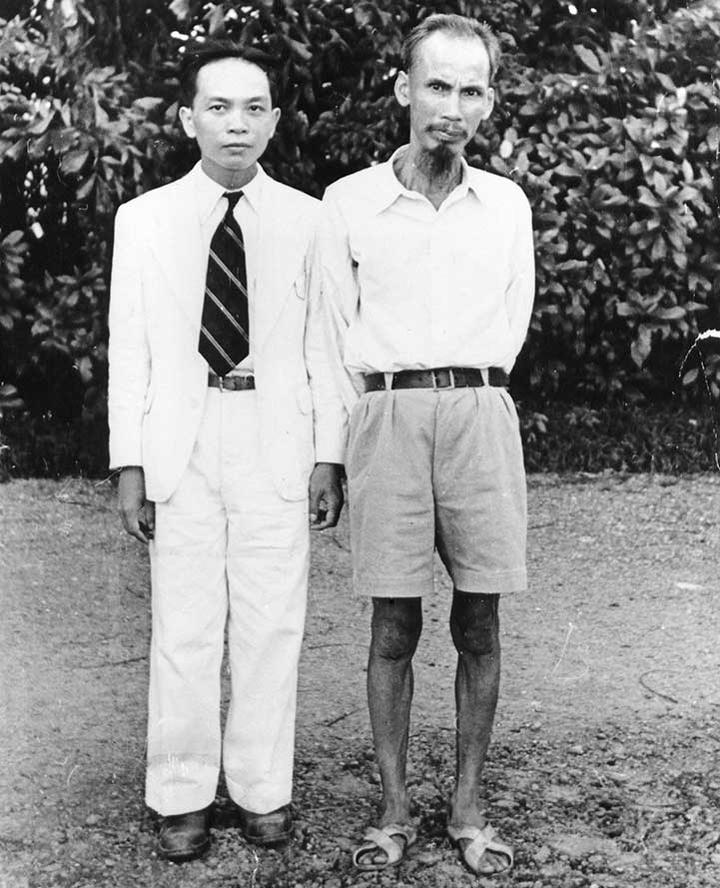
It was not until the arrival of Ho Chi Minh, a nationalist and communist who appealed to many urban people and peasants, that Vietnam had a leader who was able to lead a relatively united front against French rule. Ho, born Nguyen Tat Thanh in a central Vietnamese village in 1890, was raised by a fervently nationalistic father who resigned from his job as a bureaucrat in protest at the French takeover of Vietnam.
First and foremost a pragmatic nationalist and anti-colonialist, Ho did not adopt communism until his demands for Vietnam’s independence were rebuffed by President Woodrow Wilson at the Versailles conference after World War One.
Bitterly disappointed at the American president’s lack of interest in colonial countries’ calls for self determination, Ho, then named Nguyen Ai Quoc (Nguyen the Patriot), searched for a political philosophy that seemed to take seriously the issue of freedom for colonial peoples. He found it in Lenin’s writings and thereafter became a dedicated communist, saying: “only Socialism and Communism can liberate the oppressed nations.” (Young, 1991: p3; Lawrence, 2010: p17)